Product Specification: Calcined Alumina (Roasted Alumina)
1. Product Overview
Calcined Alumina is a high-purity aluminum oxide (Al₂O₃) material processed from industrial alumina through a high-temperature calcination treatment. Unlike fused (electrofusion) alumina which is melted, Calcined Alumina is produced by heating industrial alumina powder in rotary or tunnel kilns at temperatures typically ranging from 1200°C to 1450°C. This process removes residual moisture and volatiles, stabilizes the crystal lattice, and significantly improves the material's physical properties.
2. Key Characteristics
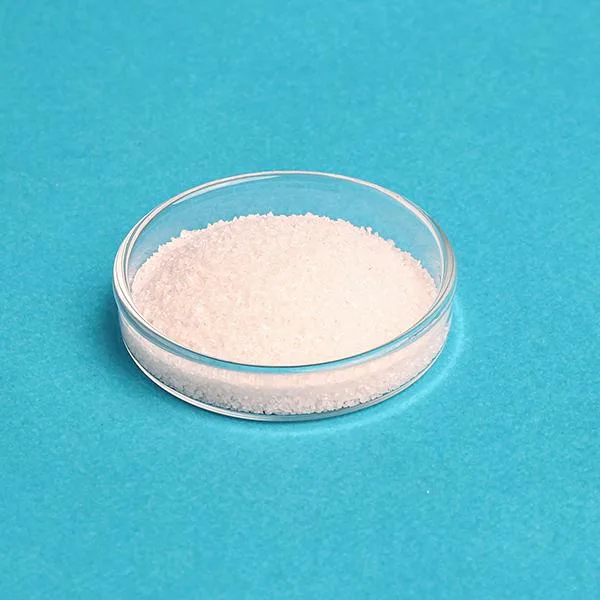
* Color: White, off-white, or light grey.
* Chemical Composition: Primarily α-Al₂O₃ (Alpha phase). Al₂O₃ content typically exceeds 98.5% - 99.5%.
* Thermal Stability: Excellent resistance to thermal shock and high temperatures.
* Physical Properties: Low porosity, high bulk density, and high mechanical strength.
* Purity: Very low levels of Na₂O (Sodium Oxide) and other impurities compared to fused varieties.
* Hardness: High hardness with good toughness.
3. Manufacturing Process
1. Raw Material: High-purity Industrial Alumina (Aluminum Hydroxide calcined) is used as the feedstock.
2. Preparation: The industrial alumina is milled and classified to the desired particle size.
3. Calcination: The alumina powder is fed into high-temperature kilns (rotary or shuttle).
* Temperature: Controlled between 1200°C and 1450°C.
* Atmosphere: Oxidizing atmosphere.
4. Phase Transformation: During this process, the transitional alumina (γ-Al₂O₃) is converted into the stable, hard, and dense alpha phase (α-Al₂O₃).
5. Cooling & Milling: The calcined material is cooled, milled (if necessary), and screened to precise mesh sizes.
Applications
Grinding wheels: Provide consistent grinding performance for metals (including carbon steel and alloys).
Cutting discs: Improve the sharpness and cutting accuracy of industrial-grade tools.
Polishing wheels: Achieve excellent surface finish, especially for hardened materials.
Resin and ceramic binders: ensure a strong bond, improve the durability and heat resistance of abrasive tools.
Sandpaper: Ideal for wood, metal, and composite sanding.
Belts: Provide efficient material removal for heavy-duty applications.
Flap sanding discs: ensure high performance in grinding and finishing.
Sandpaper: provide consistent surface finish for precision tasks.
Sponge sanding blocks: suitable for flexible abrasive applications on curved or irregular surfaces.
Grinding Wheels: Used for precision cutting and grinding in industrial applications.
Cutting Discs: Suitable for cutting hard materials such as metals, stones, and composites.
Sharpening Stones: Provides a fine finish for sharpening tools and blades.
Mounted Points: Ideal for detail work and precision grinding tasks.
Sanding belts: P60, P80 grit abrasive grains can be made into sanding belts for electric or pneumatic tools; coarse grit heavy-duty sanding belts
Impeller cloth: P40, P50 grit abrasive grains can be made into calcined louver blades
High-grade sandpaper: P50-P150 grit abrasive grains can be made into high-grade sheet sandpaper and disc sandpaper
Nylon wheel: P60-P150 grit abrasive grains
. Packaging and Storage
* Packaging: 25kg multi-wall paper bags with PE liner, 500kg or 1000kg bulk bags (FIBC), or steel drums.
* Storage: Store in a cool, dry, and well-ventilated area. Protect from moisture and contamination.


 Scan to chat on WeChat