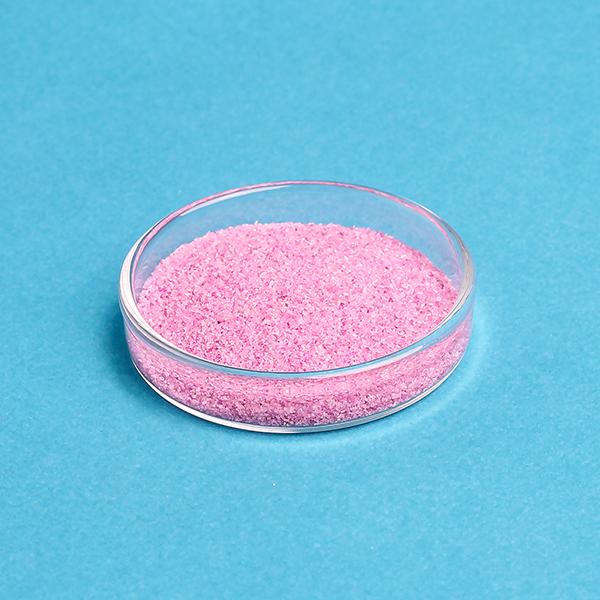
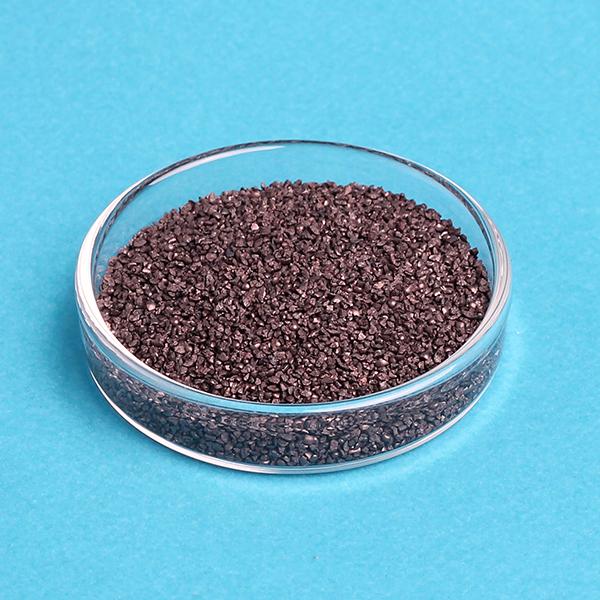
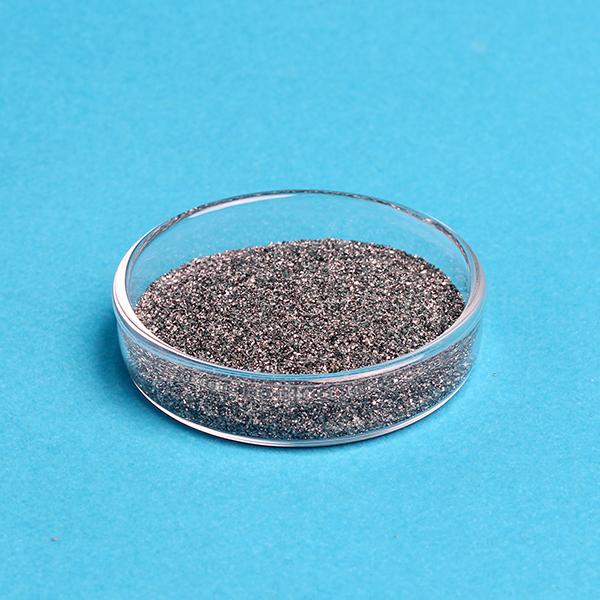
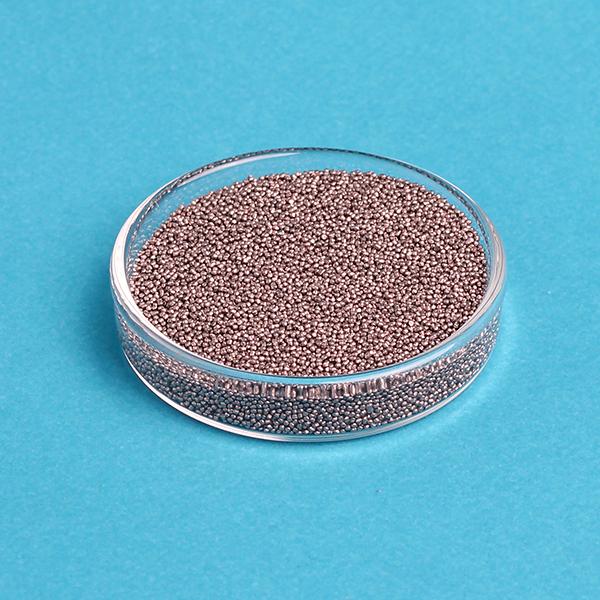
Calcined Alumina
- Category:
Products
- Calcined Alumina
- Roasted Alumina
- calcined fused alumina
- Product description:Calcined Alumina,Roasted Alumina,calcined fused alumina,calcined aluminum oxide
-
-
Product Specification: Calcined Alumina (Roasted Alumina)
1. Product Overview
Calcined Alumina is a high-purity aluminum oxide (Al₂O₃) material processed from industrial alumina through a high-temperature calcination treatment. Unlike fused (electrofusion) alumina which is melted, Calcined Alumina is produced by heating industrial alumina powder in rotary or tunnel kilns at temperatures typically ranging from 1200°C to 1450°C. This process removes residual moisture and volatiles, stabilizes the crystal lattice, and significantly improves the material's physical properties.
2. Key Characteristics
* Color: White, off-white, or light grey.
* Chemical Composition: Primarily α-Al₂O₃ (Alpha phase). Al₂O₃ content typically exceeds 98.5% - 99.5%.
* Thermal Stability: Excellent resistance to thermal shock and high temperatures.
* Physical Properties: Low porosity, high bulk density, and high mechanical strength.
* Purity: Very low levels of Na₂O (Sodium Oxide) and other impurities compared to fused varieties.
* Hardness: High hardness with good toughness.
3. Manufacturing Process
1. Raw Material: High-purity Industrial Alumina (Aluminum Hydroxide calcined) is used as the feedstock.
2. Preparation: The industrial alumina is milled and classified to the desired particle size.
3. Calcination: The alumina powder is fed into high-temperature kilns (rotary or shuttle).
* Temperature: Controlled between 1200°C and 1450°C.
* Atmosphere: Oxidizing atmosphere.
4. Phase Transformation: During this process, the transitional alumina (γ-Al₂O₃) is converted into the stable, hard, and dense alpha phase (α-Al₂O₃).
5. Cooling & Milling: The calcined material is cooled, milled (if necessary), and screened to precise mesh sizes.
4. Available Grades and Specifications
We offer a range of Calcined Alumina grades tailored to specific industrial needs:
* Standard Grade: For general ceramic and refractory applications.
* High Purity Grade: Ultra-low sodium (Na₂O < 0.1%) for advanced ceramics and electronics.
* Micron & Sub-Micron Powders: For high-tech ceramic applications.
* Particle Sizes:
* Coarse Grains: 1-3mm, 3-5mm, etc.
* Mesh Sizes: 0-1mm, 0-3mm.
* Powders: 325 mesh, 500 mesh, and finer (W63, W50, etc.).
5. Primary Applications
Due to its stability, high melting point, and chemical inertness, Calcined Alumina is a versatile material used in:
* Refractory Industry (Primary Use):
* Used as a key aggregate in high-alumina refractory bricks, castables, and gunning mixes.
* Applications include steelmaking furnaces (BOF, EAF), cement kilns, and glass tanks where high temperature and corrosion resistance are critical.
* Ceramic Industry:
* Used as a raw material for high-alumina ceramics, spark plugs, wear tiles, and electronic substrates.
* Abrasive Industry:
* Used as a raw material for high-performance resin-bonded grinding wheels, cutting discs, and polishing compounds.
* Other Applications:
* Fillers for high-temperature coatings.
* Raw material for producing other aluminum chemicals.
6. Advantages over Fused Alumina
* Lower Cost: Generally more economical than electro-fused white or brown fused alumina.
* Chemical Purity: Lower levels of impurities like sodium and silica.
* Better Sintering Activity: Superior performance as a raw material in ceramic and refractory manufacturing due to its microstructure.
* Thermal Stability: Less shrinkage and better volume stability at high temperatures compared to unfired aluminas.
7. Packaging and Storage
* Packaging: 25kg multi-wall paper bags with PE liner, 500kg or 1000kg bulk bags (FIBC), or steel drums.
* Storage: Store in a cool, dry, and well-ventilated area. Protect from moisture and contamination.
For detailed technical data sheets (TDS), safety data sheets (SDS), or specific test reports, please contact our sales department.